
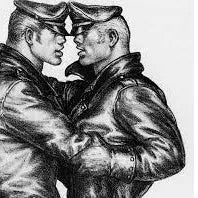
THE GAY LEATHER SCENE: AN ENDANGERED SUBCULTURE?

In the recesses of London's East End, a dimly lit side street harbors a mysterious black box of a building adorned with graffiti. This enigmatic structure, used to be known as the Backstreet, is the last standing bastion of London's gay leather bar culture. Yet, after 37 years of serving London's kink enthusiasts, the Backstreet closed down in 2022. The tale of Backstreet is not unique, as a string of closures has cast a shadow over the broader leather scene, especially in London.
Historically, the leather subculture has been a significant component of the gay community, embodying a unique aesthetic and sexual practices. Its roots trace back to post-war America, where biker culture's rugged masculinity infused allure into the practicality of leather wear. Among gay men, leather symbolized a rejection of effeminate stereotypes, embracing masculinity and independence. This subculture eventually made its way across the Atlantic to Europe, finding a niche in London in the late 1950s.

In the 1970s, leather fan clubs emerged, cloaking the fetish as a passion for motorbiking. Permanent venues like the Coleherne became central to the leather scene, providing spaces for like-minded individuals to congregate. However, the pinnacle of this subculture was disrupted by the AIDS crisis in the early 1980s. The epidemic hit the leather community hard, leading to closures and loss of lives.

In recent times, the leather scene faces a new set of challenges. The advent of the internet and mobile applications like Grindr and Jack'd has altered the dynamics of fetish communities. Online platforms offer an alternative to physical spaces, enabling individuals to connect without the constraints of cover charges or limited operating hours. Additionally, changing preferences and the high cost of a full leather ensemble have contributed to the rise of alternative materials like PVC and rubber.
Moreover, the leather scene has struggled to modernize and diversify, both in terms of inclusivity and adapting to evolving cultural archetypes. It often reflects an archetype of hyper-masculinity that may not resonate with contemporary views on gender and sexuality. The scene's predominantly white representation further underscores the need for greater diversity and inclusion.

However, the core threat to the leather scene, particularly in cities like London, lies in economic forces. Skyrocketing rents, predatory developers, and budget-driven council decisions have jeopardized specialized venues catering to various subcultures within the LGBTQ+ community. The closure of these venues, including leather bars, can lead to the erosion of unique atmospheres and a sense of community, leaving a void in the lives of those who found solace and belonging within these spaces.
With the closure of Backstreet, London's last gay leather bar, the fate of the broader leather scene remains uncertain, caught in a delicate balance between nostalgia and the evolving dynamics of contemporary LGBTQ+ cultures.

In conclusion, the decline of the gay leather scene reflects a complex interplay of economic, cultural, and technological factors. While challenges persist, the legacy and spirit of the leather subculture endure, and there remains hope for a resurgence or transformation that preserves its essence while embracing a more inclusive and diverse future.
Related Posts

Bed Sheets That Know Your Skin

Wanted, But Still Lonely

Underwear’s Queer Evolution

Why LGBTQ+ Safety Is Back in the Conversation

Summer Memories: One Last Thirst Trap

“Start the Conversation”

Jockstraps, Bodysuits or Harnesses?

