
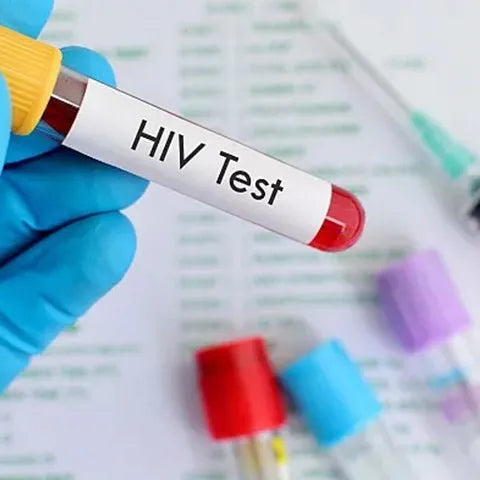
Medical Breakthrough: A Sixth Person May Have Been Cured From HIV

A European man, known as the "Geneva patient," may become the sixth person in the world to be cured of HIV, marking a potentially major development in the fight against the epidemic. Despite receiving antiretroviral treatment for nearly twenty years, it was a stem cell transplant to combat blood cancer that may have rid him of the virus for good. As of July, he has been off antiretroviral drugs for 20 months without a viral rebound, suggesting a unique case of potential HIV cure.
Unlike the five previously cured individuals, the Geneva patient did not receive stem cells from a donor carrying the genetic mutation CCR5 Δ32, which helps fight off HIV. Past cases where stem cells without the CCR5 mutation were used resulted in temporary remission, followed by viral rebound within a year.
The medical community is eagerly awaiting more details about the Geneva patient's case, which will be presented at the International AIDS Society Conference on HIV Science in Brisbane, Australia. Researchers are not entirely certain why this case is different, and they cannot definitively state if the patient is fully cured. Nevertheless, this development has opened the possibility that what was once assumed impossible might be achievable in terms of HIV cure.
In recent years, there have been other encouraging medical developments in the race to find cures and vaccines for HIV/AIDS. Pharmaceutical companies like Moderna and Johnson & Johnson are developing potential vaccines, and Excision BioTherapeutics received FDA approval for accelerated review of their "potentially curative" HIV therapy.

However, despite these advancements, challenges persist in the fight against HIV. Budget cuts proposed by Republican lawmakers in the U.S. could impact healthcare programs, including the Ryan White HIV/AIDS Program and the Minority HIV/AIDS Fund, potentially hindering progress in ending the epidemic.
While the "Geneva patient's" case offers hope, researchers are cautious, knowing that even a single viral particle can lead to HIV rebounding. The bone marrow transplant used in this case is a risky procedure, reserved as a last resort for patients with life-threatening cancer and HIV. As more information emerges, scientists will closely monitor the patient's progress to determine the true potential of this treatment approach.
A Call for Lasting Impact from Pop Stars
Exploring Shibari: A Path To Deeper Connections
Related Posts

Bed Sheets That Know Your Skin

Wanted, But Still Lonely

Underwear’s Queer Evolution

Why LGBTQ+ Safety Is Back in the Conversation

Summer Memories: One Last Thirst Trap

“Start the Conversation”

Jockstraps, Bodysuits or Harnesses?

