
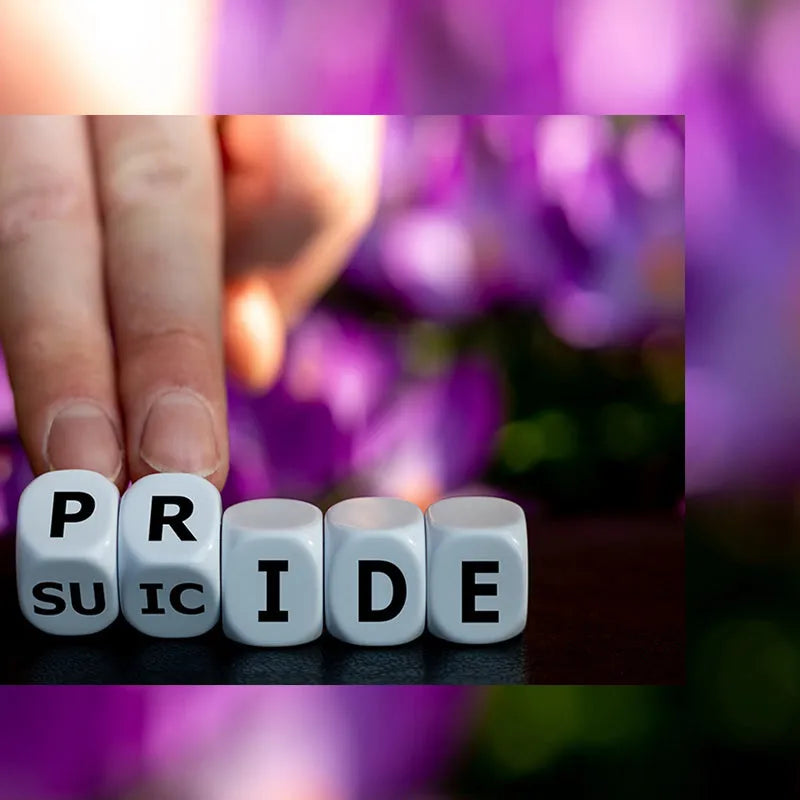
LGBT YOUTH: MENTAL HEALTH CRISIS
In the past year, a revelation has emerged from a comprehensive study conducted by The Trevor Project. The study found that a significant proportion of LGBTQ+ youth have contemplated taking their own lives. This alarming figure escalated further, with over half of transgender youth reporting similar feelings. This data unveils a deeply concerning mental health crisis that has taken root among LGBTQ+ adolescents and young adults, spanning various racial backgrounds. The ongoing COVID-19 pandemic and recent targeted political measures against LGBTQ+ students at the state level have exacerbated this situation.
The study, encompassing the perspectives of 35,000 LGBTQ+ high school and college-aged individuals from diverse racial and identity backgrounds, also underscores the potential role of educational institutions in mitigating this crisis. Interestingly, slightly over half of the surveyed LGBTQ+ youth identified their schools or colleges as LGBTQ-affirming environments. Notably, these respondents reported lower rates of attempted suicide. Even seemingly minor gestures, such as using the accurate pronouns corresponding to students' gender identity, have demonstrated the potential to reduce suicidal ideation.

The impact of the COVID-19 pandemic has been profound in exacerbating the challenges faced by LGBTQ+ youth. With the transition to virtual learning, many LGBTQ+ students found themselves confined to environments where their identities remained concealed. Distressingly, merely one in three LGBTQ+ youth indicated having LGBTQ-affirming homes. Consequently, access to critical support systems, including counselors and LGBTQ+-oriented clubs, was curtailed for these students.
Schools are significant sanctuaries for many queer students. The return to physical campuses following prolonged pandemic-related isolation has not translated to an automatic restoration of well-being and after two years of disruption and trauma, students are in dire need of mental health support.
It is disheartening that marginalized students are often the ones with the least access to mental health resources. Legislative measures targeting LGBTQ+ students have further intensified their vulnerability. A staggering number of nearly 240 anti-LGBTQ+ bills were introduced in state legislatures, primarily targeting transgender individuals. These bills encompass bans on transgender participation in sports, restrictions on bathroom and locker room usage that aligns with gender identity, and constraints on LGBTQ+-inclusive curriculum. The ramifications of such measures are deeply distressing for LGBTQ+ students who are acutely aware of the threats posed to their well-being.
The National Education Association (NEA) and its affiliates have voiced staunch opposition to these laws. NEA President Becky Pringle, in an open letter published in the Sun-Sentinel newspaper, expressed solidarity with LGBTQ+ students and their resilience in the face of adversity. Individual educators also play a role in fostering inclusive and affirming environments. Language, signage, and curriculum are avenues through which transformative change can be realized.

The adoption of inclusive curriculum is pivotal in affirming LGBTQ+ identities and experiences. The Trevor Project survey solicited input from LGBTQ+ youth on sources of joy. The responses emphasize the importance of diverse representation and positive engagement with LGBTQ+ history. Creating spaces that embrace authenticity and provide emotional safety are vital elements in steering LGBTQ+ students towards well-being.
In conclusion, the disconcerting statistics from The Trevor Project's study unveil a pressing mental health crisis among LGBTQ+ youth. As the world grapples with ongoing challenges, including the pandemic and legislative actions, it is imperative for educational institutions and individuals to actively counter the factors exacerbating this crisis and to proactively foster inclusive, affirming, and supportive environments for LGBTQ+ students.
ICONIC BIRTHDAYS IN SEPTEMBER!
LGBT+ MENTAL HEALTH: RESOURCES
Related Posts

Bed Sheets That Know Your Skin

Wanted, But Still Lonely

Underwear’s Queer Evolution

Why LGBTQ+ Safety Is Back in the Conversation

Summer Memories: One Last Thirst Trap

“Start the Conversation”

Jockstraps, Bodysuits or Harnesses?

