
U=U: ERASING STIGMAS AND BREAKING BARRIERS

In the United States, around 1.1 million individuals and globally, about 39 million people are currently living with HIV (human immunodeficiency virus). Once considered a potentially fatal diagnosis, living with HIV used to bring fear of transmitting the virus and resulted in prolonged stigma for those affected.
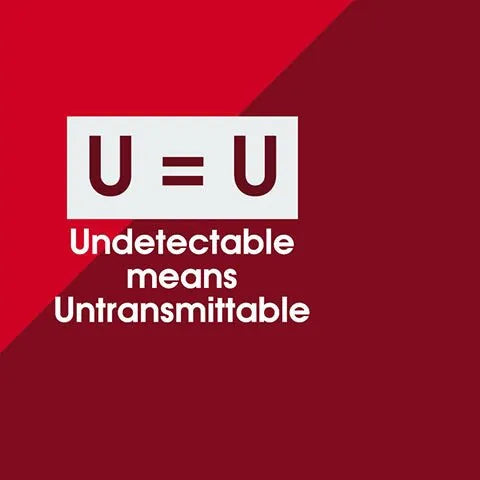
So, what exactly is the U=U campaign? U=U stands for "undetectable equals untransmittable." To put it simply, it means that individuals living with HIV who have successfully suppressed the virus through treatment cannot transmit it to others.
The main goal of the U=U campaign is to raise awareness about the effectiveness of HIV medications. If someone with HIV follows their treatment plan and manages to lower their virus levels to an undetectable point, they can’t pass on the virus to others.

This campaign emerged after extensive research, where several large studies observed thousands of couples where one partner had HIV and the other did not. Remarkably, not a single case of HIV transmission occurred from a virally suppressed individual to their HIV-negative partner.
But what does it mean for HIV to be undetectable? The term "undetectable" refers to the amount of virus present in the blood, commonly referred to as the HIV viral load. Studies have revealed that higher viral load levels increase the risk of transmitting the virus.
For those with HIV, consistent adherence to your prescribed medication helps suppress the viral load and keeps it low. With minimal side effects, these medications can be taken daily over the long term. It's essential to collaborate with a primary care provider or an infectious disease specialist to ensure proper management of HIV..

Now, while achieving an undetectable status makes transmission impossible, it's important to note that this doesn’t mean HIV is entirely gone. As of now, there is no cure for HIV, and treatment remains a lifelong commitment. As long as the virus is suppressed, the risk of severe complications and infections is greatly reduced, allowing individuals to lead healthy lives. However, it's crucial to avoid missing doses or discontinuing medication, as this substantially increases the risk of transmitting the virus.
On a larger scale, federal agencies are incorporating the U=U message into their efforts to combat the HIV epidemic. For instance, the Centers for Disease Control and Prevention (CDC) now uses U=U language as part of its treatment as prevention messaging. This consistent message across federal agencies emphasizes that individuals with HIV who adhere to their treatment and maintain an undetectable viral load won't transmit the virus to their HIV-negative partners. This shift in communication not only promotes the health of those with HIV but also fights against HIV-related stigma and discrimination.

The Department of Health and Human Services' Office of Infectious Disease and HIV/AIDS Policy has also joined in with a viral suppression campaign named "I am a Work of ART" and "Celebro Mi Salud," featuring individuals with personal experiences. This campaign encourages individuals who are not in care or have fallen out of care to seek treatment, remain in care, and achieve viral suppression through antiretroviral therapy (ART).

Science has confirmed that individuals with HIV who adhere to ART and maintain an undetectable viral load can lead healthy lives and will not transmit HIV to their partners. These efforts to spread the U=U message have been effective in dispelling misconceptions about HIV and AIDS while also engaging key populations in testing and treatment services. Each of us has a role to play in spreading the U=U message to contribute to the end of the HIV epidemic.
In conclusion, the U=U campaign is a beacon of hope for those living with HIV. It underscores the power of treatment, not only for individual health but also for breaking down barriers, erasing stigma, and ultimately, working together to eliminate the spread of HIV.
Escapada #Pride23:
6 vibrantes destinos LGBTQ+
¡CUMPLEAÑOS ICÓNICOS EN MAYO!
Related Posts

Bed Sheets That Know Your Skin

Wanted, But Still Lonely

Underwear’s Queer Evolution

Why LGBTQ+ Safety Is Back in the Conversation

Summer Memories: One Last Thirst Trap

“Start the Conversation”

Jockstraps, Bodysuits or Harnesses?

